

The Evolution of Forex Algorithmic Trading: Strategies, Tools, and Tips
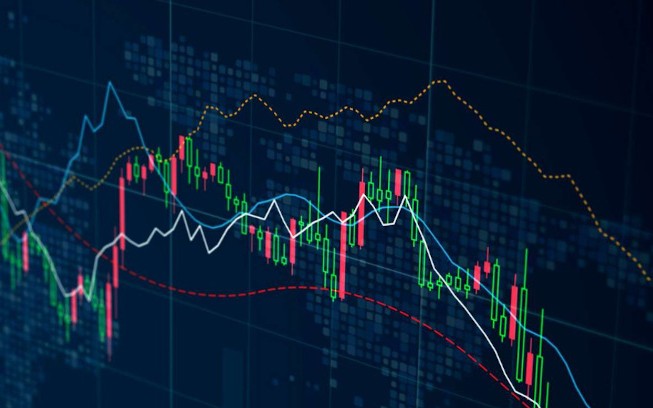
Forex algorithmic trading has revolutionized the way traders approach the foreign exchange market. With algorithmic trading, traders can implement complex strategies using automated processes that enable faster execution of trades. As financial markets become increasingly sophisticated and technology advances, the significance of algorithmic trading continues to grow. In this article, we will delve into various aspects of Forex algorithmic trading, including its evolution, strategies, tools, and tips to maximize profitability. For deeper insights into trading strategies, you can visit forex algorithmic trading Trading Asia.
What is Forex Algorithmic Trading?
Forex algorithmic trading refers to the use of computer algorithms to execute trades in the foreign exchange market. By leveraging mathematical models and trading strategies, traders can automate their trading processes, minimizing human error and maximizing efficiency. Algorithms can analyze vast amounts of market data, identify trends, and make decisions based on preset criteria, which is essential in a market characterized by volatility and rapid price fluctuations.
History of Algorithmic Trading
The roots of algorithmic trading can be traced back to the early 1970s with the advent of electronic trading systems. However, it gained significant traction in the late 1990s when the internet revolutionized how financial transactions were conducted. With the introduction of electronic communication networks (ECNs) and advanced trading platforms, forex traders gained access to real-time data and the ability to execute trades automatically.
As the market grew more competitive, institutional investors began employing algorithmic strategies to gain an edge, enabling high-frequency trading (HFT) where trades could be executed in milliseconds. Today, algorithmic trading is not only reserved for institutional players; retail traders are increasingly using algorithms to level the playing field.
Key Strategies in Forex Algorithmic Trading
There are several strategies traders can implement using algorithmic trading. Here are a few of the most popular:
1. Trend Following
This strategy involves identifying the direction of market trends and executing trades that align with these trends. Algorithms are programmed to analyze price movements and leverage technical indicators such as Moving Averages and Relative Strength Index (RSI) to enter and exit trades at opportune times.
2. Arbitrage
Arbitrage is a strategy that capitalizes on price discrepancies between different markets or instruments. Algorithms can quickly identify these discrepancies and execute trades to profit from them before the market corrects itself. This strategy requires a keen eye on real-time market conditions and robust risk management protocols.
3. Mean Reversion
The mean reversion strategy is based on the premise that prices will revert to their historical averages over time. Algorithms can analyze historical data to determine when a currency pair is trading far from its mean and execute trades in anticipation of reversion, thus capturing potential profits.
4. Sentiment Analysis
Sentiment analysis involves gauging the mood of the market by analyzing social media, news articles, and other public statements that may influence trader perceptions. Algorithms can quickly analyze vast amounts of unstructured data to identify sentiment shifts, allowing traders to position themselves ahead of market movements.
Tools for Algorithmic Trading
To successfully implement algorithmic trading strategies, traders need reliable tools and platforms. Here are some essentials:
1. Trading Platforms
Choosing the right trading platform is crucial for executing algorithmic trading strategies. Platforms like MetaTrader 4/5, NinjaTrader, and TradingView offer comprehensive tools for developing and backtesting trading algorithms. They offer flexibility in programming and allow integration with various trading APIs.
2. Programming Languages
Knowledge of programming languages is essential for developing custom trading algorithms. Languages such as Python, R, and C++ are commonly used for their powerful data analysis capabilities and extensive libraries tailored for trading applications.
3. Backtesting Tools
Before deploying an algorithm in a live trading environment, backtesting is crucial. This involves running historical data through the algorithm to assess its performance under various market conditions. Reliable backtesting tools such as QuantConnect or Trading Blox can help validate strategies and identify potential weaknesses.
4. API Integrations
Application Programming Interfaces (APIs) enable traders to connect their algorithms to trading platforms and market data providers. Popular brokers often offer APIs that provide real-time data, order execution capabilities, and account management functions, ensuring seamless integration of trading strategies.
Tips for Successful Algorithmic Trading
Algorithmic trading can be lucrative if done correctly. Here are some tips to enhance your trading effectiveness:
1. Start Small
When first implementing algorithmic strategies, it’s advisable to start with a small investment. This allows you to test your algorithms in real market conditions without risking significant capital.
2. Continuous Learning
The financial markets are constantly evolving; therefore, ongoing education is essential. Stay informed about market trends, new technologies, and emerging strategies to maintain a competitive edge.
3. Robust Risk Management
Always incorporate risk management measures into your trading algorithms. Setting stop-loss orders and position sizing correctly can protect your capital from significant losses during adverse market movements.
4. Monitor Performance
Regularly review and analyze the performance of your algorithms. Identifying what works and what does not allows continuous improvement and adjustment of strategies to better suit market changes.
Conclusion
The world of Forex algorithmic trading is dynamic and filled with opportunities for traders willing to embrace technology. By understanding the fundamental concepts, strategies, and tools, traders can leverage algorithmic trading to enhance their trading experience. Whether you are a seasoned professional or just starting, mastering the intricacies of algorithmic trading can be a game-changer in achieving your trading goals.